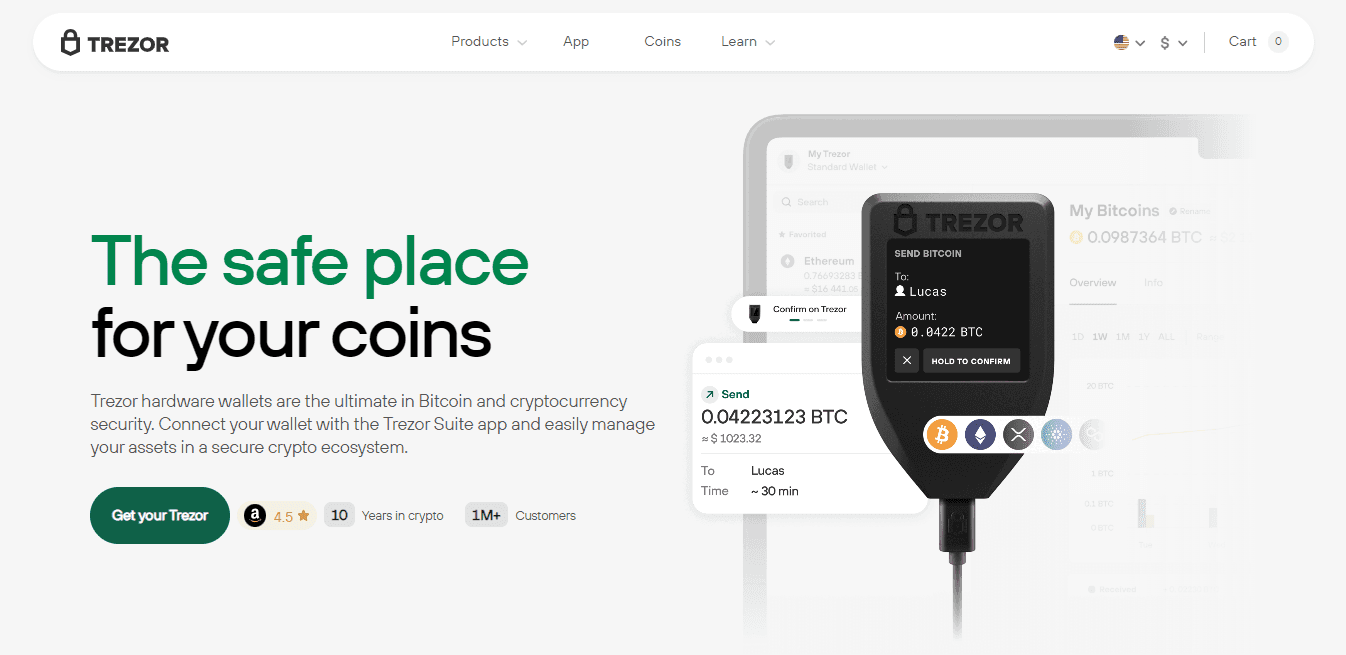
Trezor.io/start — Understanding What It Is and How It Works
Trezor.io/start is the official learning and setup hub for Trezor hardware wallets, a family of devices designed to help people protect their cryptocurrency by storing it offline. While buying, trading, or managing crypto usually requires being an adult due to financial and legal rules, it’s still useful to understand how these devices work and why they matter in the world of digital security.
Trezor wallets are known as hardware wallets, which means they keep the private keys—the secret codes that prove ownership of digital assets—stored safely inside a physical device instead of on a computer or phone. One of the main goals of Trezor.io/start is to explain the security benefits of using a dedicated device instead of leaving sensitive information online, where it could be exposed to malware, phishing attempts, or hacks.
When someone visits Trezor.io/start, they’re guided through educational steps that explain how the wallet operates, what its security features are, and how users can responsibly manage their recovery phrases. A recovery phrase is a sequence of words that can recreate the wallet if the device is ever lost or damaged. Trezor emphasizes that this phrase must be stored physically and privately, never typed online or shared with anyone. The website repeatedly stresses safe digital habits, which is a valuable lesson even outside cryptocurrency.
Another major part of Trezor.io/start is its focus on transparent, open-source technology. Trezor’s software and firmware can be reviewed by developers worldwide, which helps ensure trust, identify issues quickly, and encourage community participation. The site also explains the difference between firmware updates, security patches, and new features, highlighting why it’s important for users to understand what they’re installing and why.
The platform also offers general information about the user interface known as Trezor Suite. This software provides tools for monitoring assets, viewing transaction history, and adjusting security settings. Although financial activity itself is not something minors should perform without parental or legal guidance, learning about interfaces like this can help build digital literacy and awareness of cybersecurity tools.
A significant theme throughout Trezor.io/start is personal responsibility. The site emphasizes that people—not companies—control their crypto when using a hardware wallet. This idea, often referred to as “self-custody,” means that users must take full responsibility for storing their wallet, protecting their recovery phrase, and recognizing online scams. Even if you’re simply learning, these ideas are useful across any online environment, as they reinforce privacy, cautious decision-making, and independent security practices.
In addition to setup guidance, Trezor.io/start provides troubleshooting tips, FAQs, and explanations of common mistakes users should avoid. These resources help people better understand how the technology functions and how to use it safely.
Overall, Trezor.io/start serves as a comprehensive starting point for understanding hardware wallets, secure digital storage, and the principles of responsible online security. Even without participating in cryptocurrency activities, exploring the concepts on the site can strengthen your awareness of how to protect personal information in a digital world.